What Does Being Mayor Actually Involve?
Most people picture "Mayor" as a part-time title — a few meetings a month, a sash at the parade, maybe some ribbon-cutting. The reality is different, and voters deserve to know what they're actually electing someone to do — especially here, where the job comes with a few extra layers most communities never face.
What Councillors Do
Before getting to the Mayor's role specifically, it helps to know what a councillor's job already involves — because the Mayor does all of this too, on top of everything else.
Under BC's Community Charter, councillors are expected to:
Think about what's best for the whole community, not just one group or neighbourhood
Help develop, review, and improve local government policies and services
Take part in council meetings and committee meetings
Carry out other assigned roles, like chairing a committee
That's already a real commitment — reading agenda packages, showing up prepared, weighing in on decisions that affect the whole town. It's why councillor positions are taken seriously even when they're part-time.
What the Mayor Adds on Top
The Mayor has every one of those same responsibilities — plus the added weight of running the meetings, representing the municipality externally, and being the one person accountable when something goes wrong. Under the Community Charter, the Mayor is the head and chief executive officer of the municipality, not just one voice among five. Specifically, the Mayor:
Provides leadership on every bylaw, resolution, and decision that shapes the community
Signs official documents and legal filings
Represents the municipality's interests when dealing with the province, RDOS, and other governments
Chairs council meetings and keeps them running properly, under legislated procedure rules
The Time Commitment
Okanagan Falls council currently meets weekly, a schedule expected to continue into the new year. That's the visible part of the job. The invisible part is bigger:
Reading agenda packages, staff reports, and correspondence before every meeting — weekly, not monthly
Reading and commenting on all those new bylaws that need to be created, read and adopted.
Regional District Okanagan-Similkameen meetings and committee work on top of that
Fielding calls, emails, and in-person concerns from residents — at the grocery store, not just at office hours
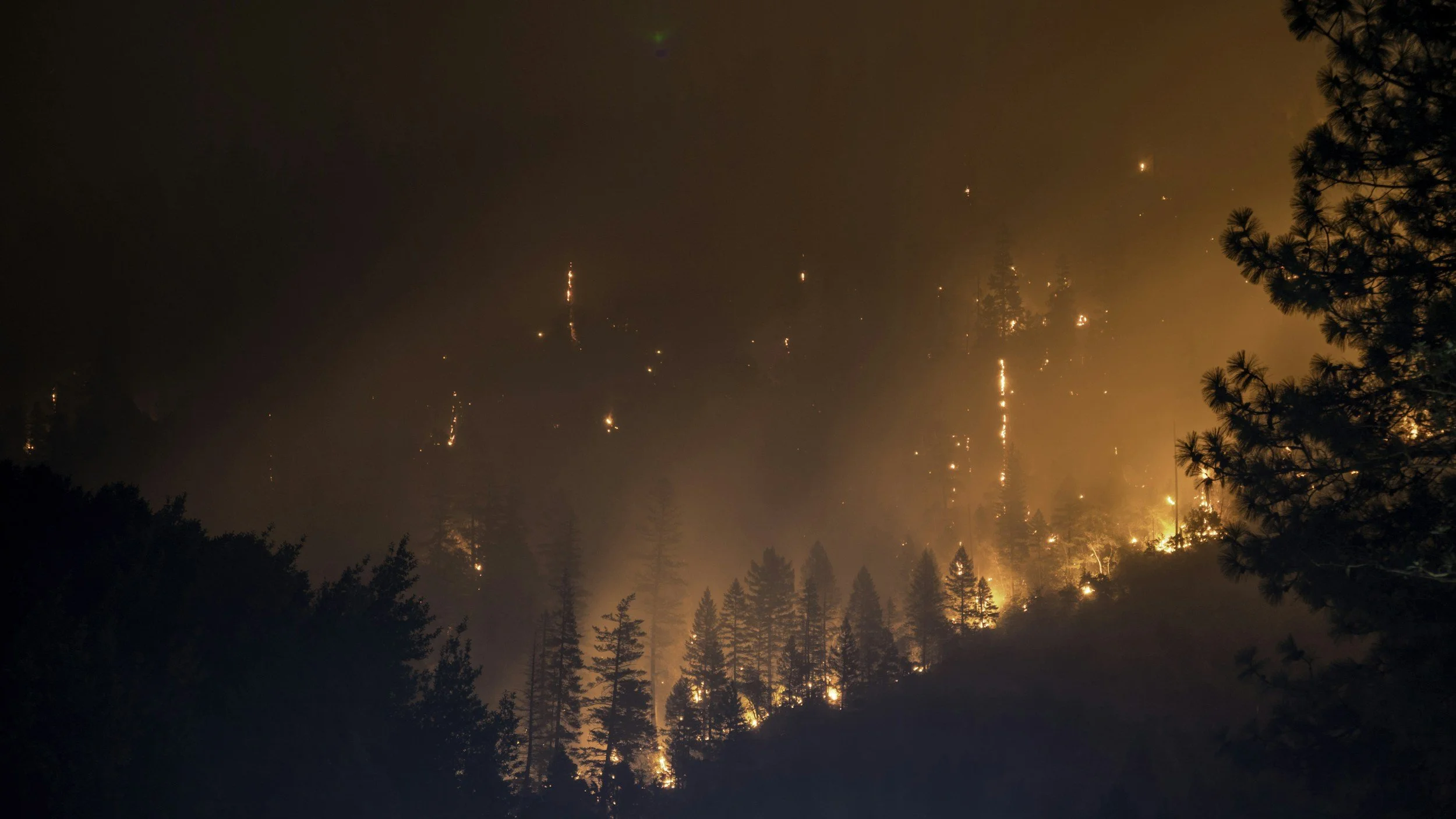
Being the point person during emergencies — this summer's wildfire activity near OK Falls is a real example of a Mayor's schedule being taken over with zero notice
Ongoing coordination with staff between meetings
Starting From Zero
Most new mayors and councillors walk into an organization that already exists — staff who know the job, bylaws already on the books, systems already running. Whoever is elected mayor of Okanagan Falls this October won't have that.
No town hall — no building, no front counter, no office to work from
No IT systems — no website, no email, no records system, no way to process a payment or store a document
No bylaws — every rule the community will run on (dogs, noise, building permits, business licensing, taxation) has to be written and passed from scratch
No staff — no CAO, no bylaw officer, no accounting staff, no public works crew - we start with only an Interim Corporate Officer, and the rest have to be brought on board.
No institutional memory — every councillor will be new at the same time. Most councils have experienced members who can show newcomers the ropes; this one won't. All five members learn the job simultaneously, in public, while building the organization underneath them
This isn't unique to Okanagan Falls — it's the reality of being the first new municipality incorporated in BC in 16 years. The RDOS will keep delivering some services under contract during the transition (water and sewer for three years, other services for the first year), so council isn't building everything literally on day one — but managing that handover is its own job on top of everything else.
When It Matters Most
The wildfire season underway right now is a preview of what the role can demand without warning. Just up the valley, Summerland Mayor Doug Holmes has spent the past two weeks leading his community through the Bald Range fire — confirming evacuations, telling residents when it's safe to return, and managing a crisis with no script and no notice.
It's not unusual. In 2021, Princeton Mayor Spencer Coyne led his town's flood recovery for days on end, working alongside emergency crews, and is still fighting for federal disaster funding years later. Being mayor doesn't come with an opt-out when the job turns into disaster response — and for a new council with no systems yet in place, that risk is even higher.
The Accountability
Elected officials aren't just busy — they're personally accountable. Mayors and councillors are bound by conduct rules, conflict-of-interest law, and public records obligations. Getting it wrong isn't just embarrassing — it can have legal consequences.
The Pay
There's no remuneration bylaw for Okanagan Falls yet — deciding what the Mayor and Council are paid will be one of the very first decisions the incoming council has to make, with no existing framework to inherit.
For context: Princeton, a similarly-sized rural BC town (population ~3,000), paid its Mayor $27,982.68 in 2025. Pay scales with population across BC — Oliver (pop. ~5,000) paid its Mayor $34,789 in 2025, and Summerland (pop. ~12,000) paid its Mayor $44,574.51. Given Okanagan Falls is smaller than all of these, a starting figure somewhere at or below Princeton's is a reasonable expectation — though the actual number will be one of the new council's first real decisions, not something handed down.
Bottom Line
Being Mayor of Okanagan Falls means being available, informed, and accountable — every week, not just on meeting nights — while helping build the town's government from nothing, including deciding what the job itself will pay. It's a real job with real responsibility, and it deserves a candidate who understands that going in.